
In the world of witchcraft, few tools are as essential as your own intuition. While…
The History & Traditions of Yule
Origins and History of Yule
The earliest Yule celebrations began among the Germanic peoples of Northern Europe, whose lives were shaped by harsh winters and seasonal rhythms. These communities honored gods, ancestors, and nature spirits through feasting and ritual fires. Some traditions reference the Wild Hunt, a spectral procession crossing winter skies, representing a liminal time when the otherworld felt near.
Many historians believe the ancient Norse mythology midwinter festival known as *Jól* contributed much of what we preserve today. As cultures blended, elements of Yule influenced Christian celebrations, including decorated Christmas trees, the burning Yule log, feasting traditions, and the joyful spirit of gift-giving.
Modern Pagan and Witchcraft Traditions
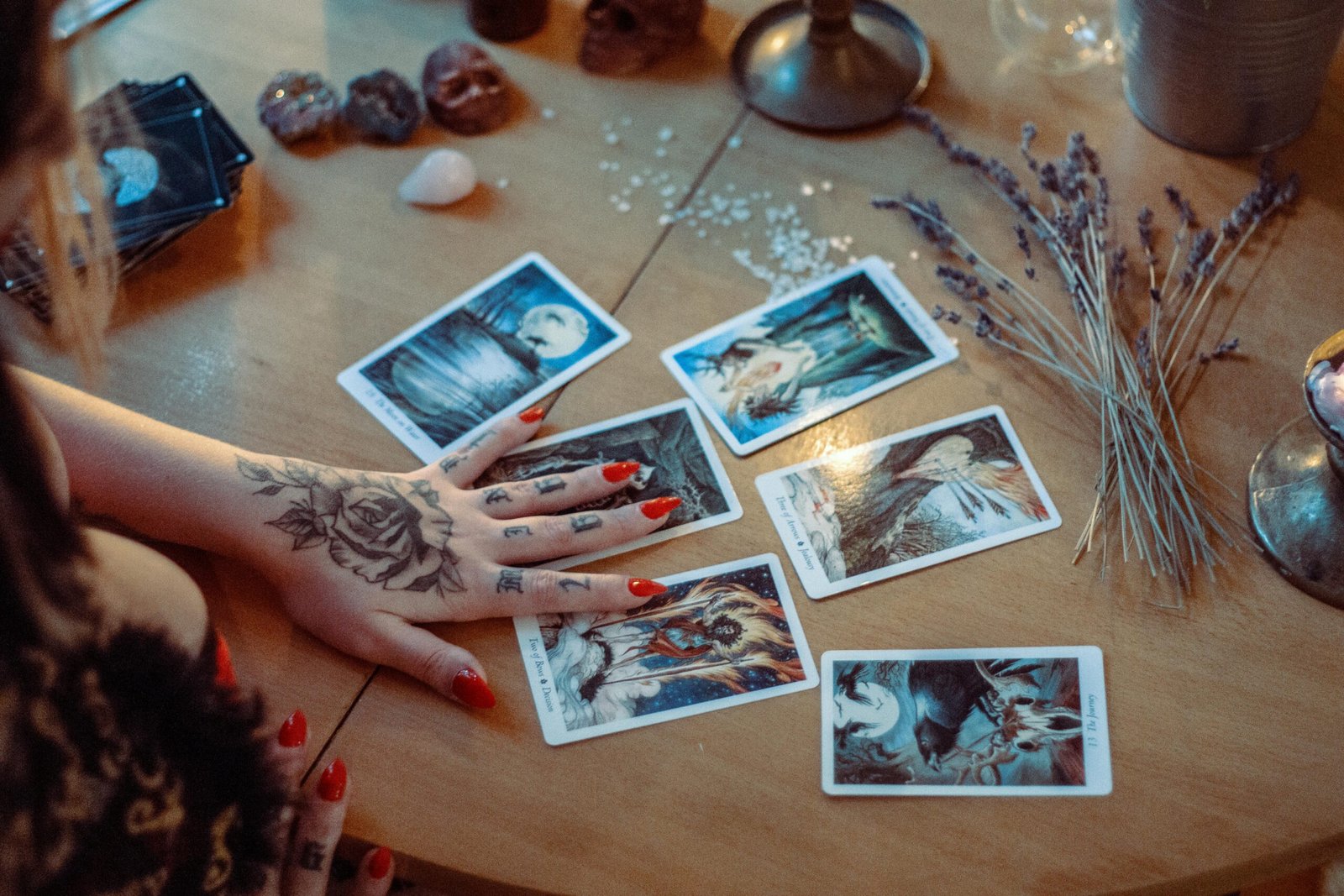
Contemporary pagan paths such as Wicca observe Yule as one of the sabbats on the Wheel of the Year. Many practitioners decorate an altar with winter symbols, burn a central candle, and fill the home with cleansing incense. Others bake festive breads, perform divination such as tarot readings, or honor ancestors with seasonal offerings.
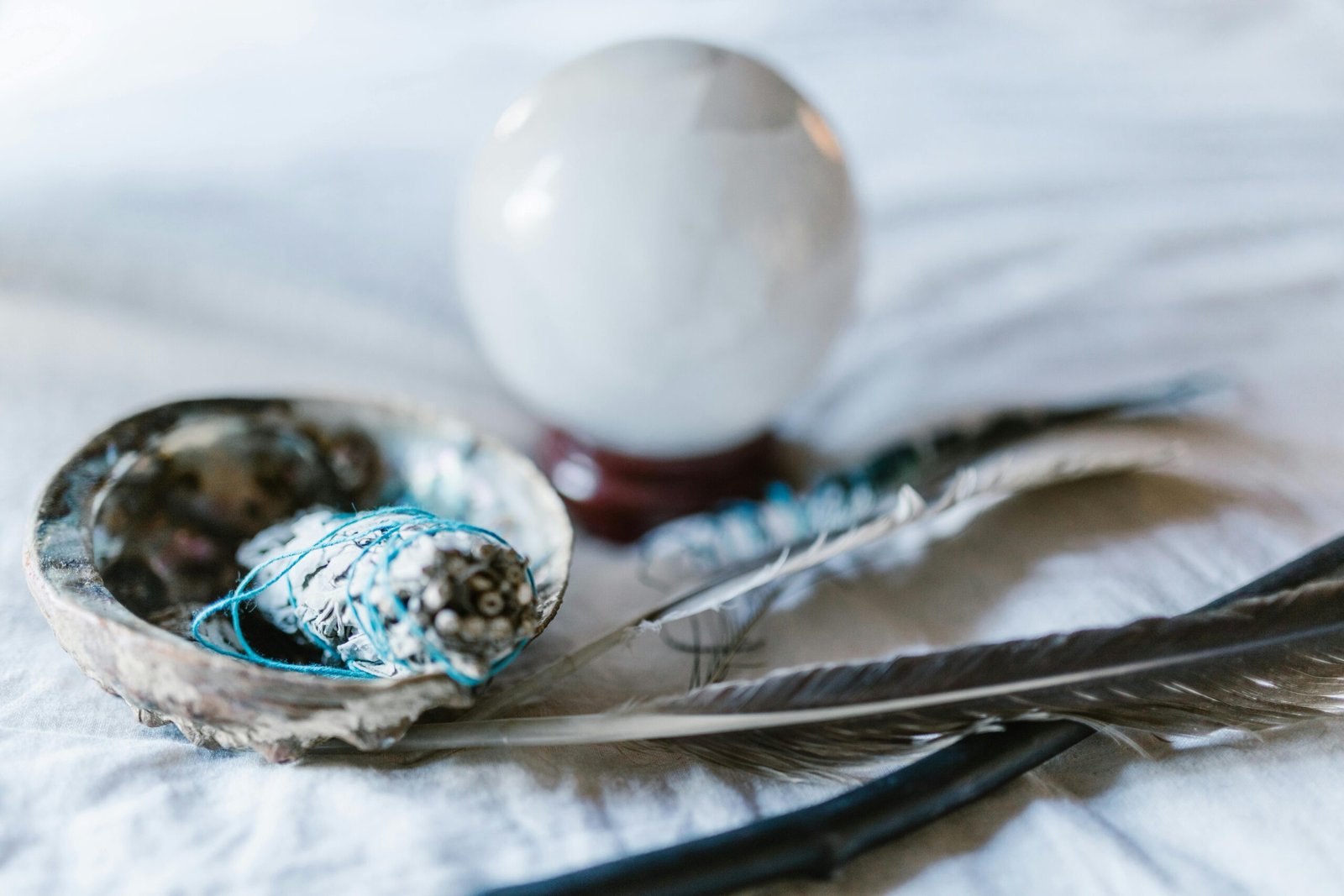
The themes of Yule align deeply with the planetary movements understood through astronomy, as the sun begins its return after the darkest night. In magical practice, practitioners often work with the transformative power of fire, symbolic rebirth, and the strength of evergreen conifers that remain vibrant through winter.
Yule Craft Ideas
1. Evergreen Protection Bundles
Evergreens symbolize endurance and protection. Use branches of pine, fir, or spruce to make small bundles. Add rosemary for cleansing and tie with red or gold ribbon. These can be used as charms, much like traditional apotropaic practices intended to ward off negative energy.
2. Dried Orange Sun Ornaments
Slice and dry bright golden citrus fruits to symbolize the returning sun. Hang them around your home or altar as gentle reminders of warmth and renewal.
3. Rune or Sigil Talismans
Create protective charms by painting or carving seasonal runes onto small pieces of wood or stone. Charge them under candlelight or moonlight to use throughout the winter.
Yule Recipes
1. Spiced Solstice Mulled Cider
Mulled drinks have been part of winter celebrations for centuries, including traditional wassail. This warming recipe brings the same cheer into your modern Yule gathering.
Ingredients:
- Apple cider
- Cinnamon sticks
- Whole cloves
- Star anise
- Orange slices
- Freshly grated nutmeg
Instructions:
- Simmer everything on low heat for 20–30 minutes.
- Sweeten if desired and serve warm.
2. Gingerbread Sun Wheel Cookies
These cookies mirror the traditional spiced breads tied to winter feasts. Ginger adds heat associated with magical herbalism and protective spellwork.
Ingredients:
- Flour
- Molasses
- Butter
- Brown sugar
- Ground ginger
- Ground cinnamon
- Ground cloves
Instructions:
- Mix wet and dry ingredients separately.
- Combine, chill, roll, and cut into circles.
- Score sun-ray patterns and bake at 350°F for 10 minutes.
3. Winter Greens & Cranberry Salad
This vibrant salad incorporates tart cranberry flavor, balancing out the richer foods typically served at Yule.
Instructions:
- Toss greens, nuts, fruit, and dressing.
- Add cheese or seeds for extra texture.
Closing Reflections
Yule celebrates resilience, hope, and the power of returning light. It invites us into seasonal rhythms shared by cultures across the world, from ancient polytheism to modern magical traditions. Whether you honor Yule through ritual, craftwork, food, or quiet contemplation, this season reminds us that darkness is temporary, and renewal is always on its way.

Related Posts

Comments (0)